
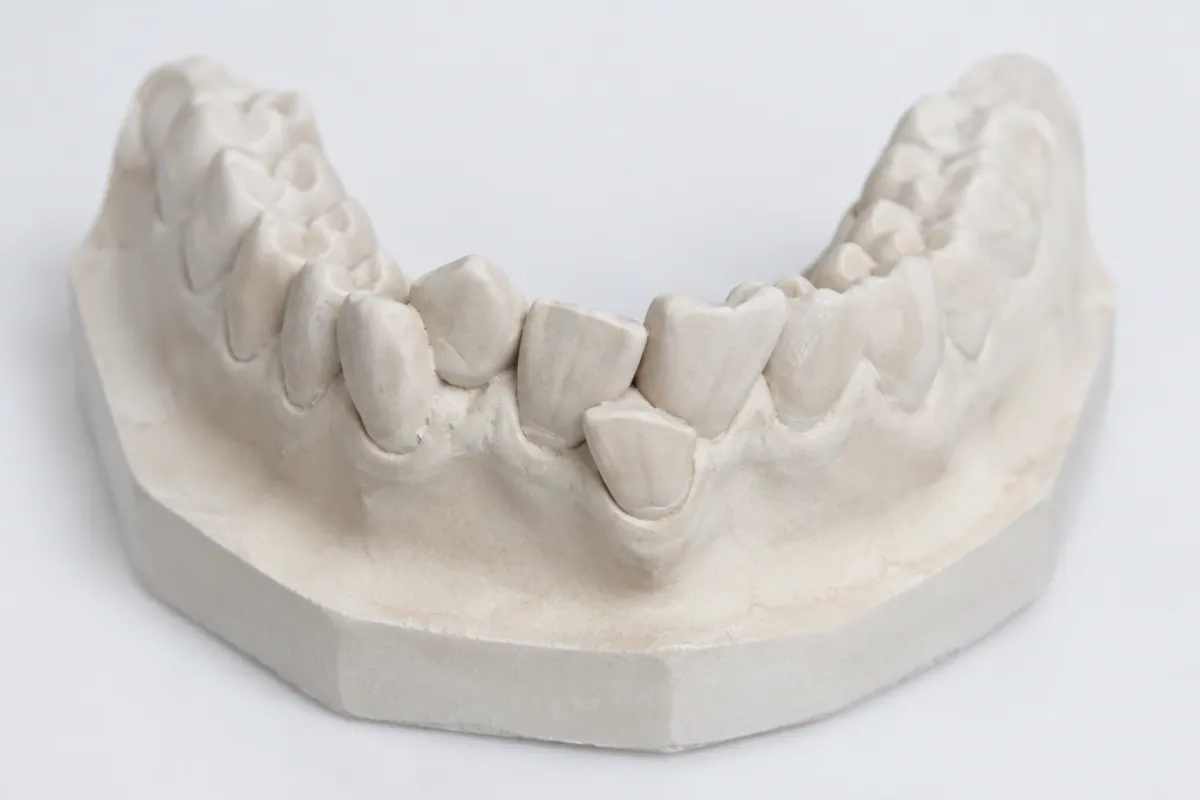
Crowded teeth and gaps between teeth are two sides of the same issue: a mismatch between the size of the teeth and the space available in the jaw. Too little room and teeth overlap, twist, or get blocked out. Too much room and spaces appear. Orthodontists treat both with braces or clear aligners, sometimes combined with appliances that create space, and the right plan depends on what is causing the problem.
With fall routines back in place in Yuba City, Lincoln, and around Sutter County, it is a good time to look at spacing concerns for kids and adults alike. Here is how orthodontists think about crowded teeth, gaps, and the options for fixing them.
What Causes Crowded Teeth
Crowding happens when there is not enough room for all the teeth to line up. Common contributors include:
- Teeth that are large compared with the size of the jaw
- Baby teeth lost too early or too late
- A narrow upper jaw
- Family traits passed down through genetics
- Natural tooth movement over time in adults
The American Association of Orthodontists (AAO) notes that crowded, crooked teeth are usually easy to spot, and that some teeth may not come in through the gums at all without help when space is very tight. The AAO also points out that teeth never completely stop moving, which is why some adults notice their lower front teeth becoming more crowded with age.
What Causes Gaps Between Teeth
Spacing is the opposite problem. According to the AAO, gaps can come from tongue pressure during swallowing, gum disease, lost or missing permanent teeth, impacted teeth, or teeth that are small for the jaw. A gap between the two upper front teeth is one of the most familiar examples. Some gaps are purely cosmetic, while others affect how the bite comes together.
Why Spacing Problems Are Worth Treating
Crowded teeth are harder to clean because brushes and floss cannot reach every surface easily, which can let plaque build up. The American Dental Association lists crowded, crooked, and widely spaced teeth among the reasons orthodontic treatment may be recommended. Correcting spacing can make daily care easier, help teeth meet more evenly, and improve how your smile looks and feels.
How Orthodontists Treat Crowding
The goal is to create enough room and then guide each tooth into place. Depending on age and severity, an orthodontist may use:
- Braces or clear aligners to straighten and align teeth
- A palatal expander to widen a narrow upper jaw in a growing child
- Interproximal reduction, a careful slimming of enamel between some teeth
- Removal of certain teeth in some severe cases
Your orthodontist will explain why a particular approach is recommended. You can compare the appliance options on our types of braces page.
How Orthodontists Close Gaps
Braces and aligners can gently move teeth together to close spaces. When a gap is caused by a missing tooth, the plan may instead open or hold the space so your dentist can replace the tooth with an implant or bridge. If teeth are naturally small, an orthodontist may position them evenly so a dentist can add bonding or veneers afterward. Because a habit like tongue thrusting can reopen gaps, it is part of the evaluation too.
Spacing Changes at Different Ages
Spacing problems can show up at almost any age, which is why timing matters:
- Children: The AAO recommends a first orthodontic checkup by age 7. At that age an orthodontist can spot crowding early and may use growth to help create room.
- Teens: Most permanent teeth are in, so braces or aligners can align the full smile in one course of treatment.
- Adults: Teeth keep shifting throughout life. The AAO notes that crowding often appears in the lower front teeth with age, and gaps can open in the upper teeth.
Small gaps in young children are often normal because baby teeth are smaller than the permanent teeth that replace them. Your orthodontist can tell you whether a space is likely to close on its own or needs attention.
What to Expect at a Consultation
At your first visit, the orthodontist looks at how your teeth fit together, how much room is available, and how your jaws are growing or aligned. Photos and X-rays help show teeth that have not come in yet. You will then hear which options fit your situation, how long treatment may take, and what it may cost. There is no pressure to decide on the spot.
Bring a list of questions, such as whether a gap is likely to come back, which appliance fits your lifestyle, and how often visits are needed during the school year.
Keeping Results Stable With Retainers
Teeth can drift after treatment, so a retainer is an important last step for both crowding and gaps. Wearing it as directed protects the time and effort you put into straightening your smile.
Frequently Asked Questions
Often, yes. Many cases are treated by expanding a narrow jaw, aligning teeth with braces or aligners, or slimming enamel between a few teeth. Your orthodontist will explain if removing a tooth would give a better result.
It can, especially if a habit or extra tissue caused the gap. Wearing your retainer as directed is the best way to keep the space closed.
Clear aligners can treat many cases of mild to moderate crowding and spacing. An orthodontist can tell you whether aligners or braces are the better fit for your teeth.
Your Yuba City, CA Orthodontic Team
Dr. Michael Larson and our team help patients in Yuba City, Sutter County, and Lincoln with crowding, gaps, and bite concerns. Read our Yuba City Orthodontics Google reviews to see what patients say, and contact our office to schedule a consultation.