
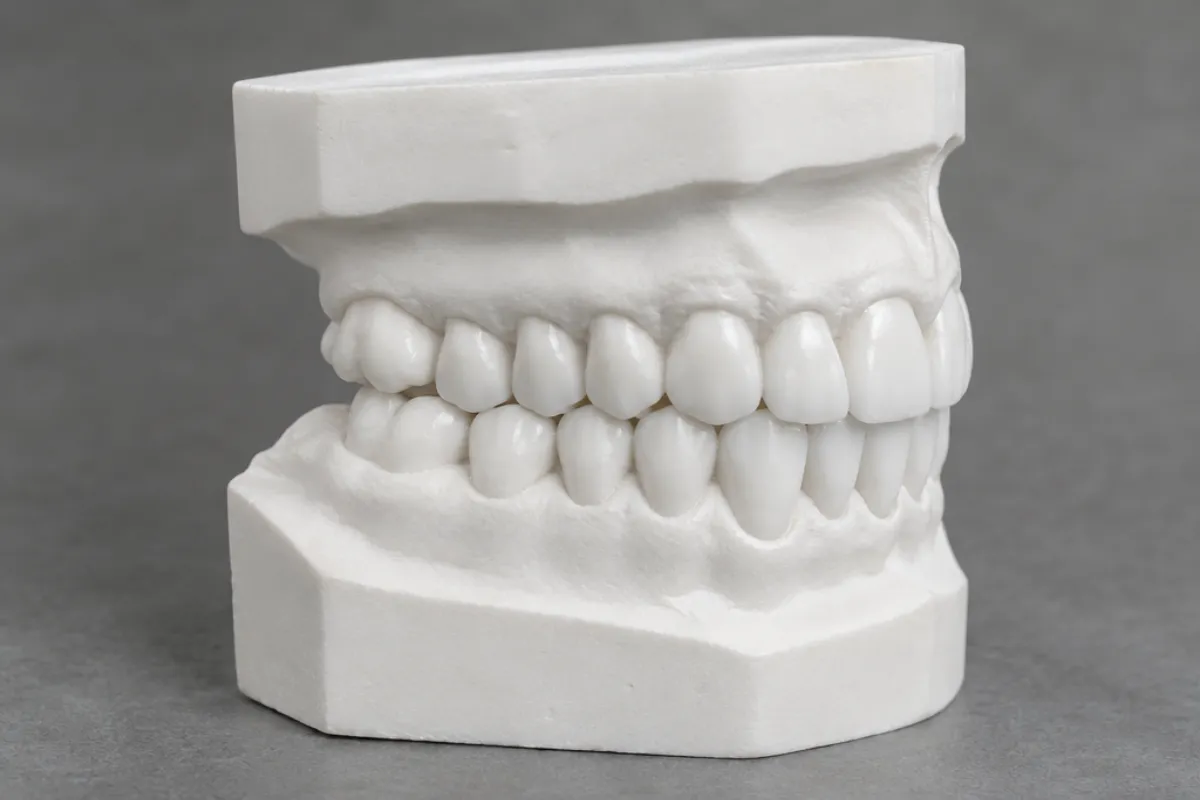
Most bite problems fall into a handful of patterns: a crossbite, where some upper teeth sit inside the lower teeth; an underbite, where the lower jaw sits ahead of the upper jaw; an open bite, where the front teeth do not touch when you bite down; and a deep bite, where the upper front teeth cover too much of the lower ones. An orthodontist can usually correct these with braces, clear aligners, or growth-guiding appliances, depending on the type and the patient’s age.
Spring is a busy season for school sports and checkups across Yuba City, Lincoln, and Sutter County, and it is a good time to look closely at how your family’s teeth fit together. Here is a plain-language guide to common bite problems, why they matter, and what treatment can look like.
Why Your Bite Matters
Your bite, or occlusion, is the way your upper and lower teeth meet. A healthy bite makes chewing, biting, and speaking easier. When teeth or jaws do not line up well, some teeth can take extra force, wear unevenly, or be harder to clean. The American Dental Association notes that an untreated bad bite can contribute to problems such as tooth decay, gum disease, enamel wear, and jaw strain over time.
Crossbite
In a crossbite, some upper teeth sit inside the lower teeth when you close. It can affect the front teeth, the back teeth, or both. The American Association of Orthodontists (AAO) lists genetics, delayed loss of baby teeth, unusual eruption of adult teeth, and habits such as thumb sucking as common causes.
Left alone, a crossbite can cause the jaw to shift to one side, uneven jaw growth, and abnormal wear on teeth. In growing children, an orthodontist often uses a palatal expander to widen the upper jaw, followed by braces or aligners if needed.
Underbite
With an underbite, the lower jaw and lower front teeth sit ahead of the upper front teeth. Underbites are often related to how the jaws grow, which is one reason the AAO encourages early checkups. In children, guiding growth while the jaws are still developing can make a big difference. In adults, treatment depends on whether the cause is mainly the teeth or the jaw bones, and some severe cases are treated with a combination of orthodontics and jaw surgery.
Open Bite
An open bite means the upper and lower teeth do not touch when the mouth is closed, usually at the front. Long-term thumb or pacifier habits and tongue position can play a role in children. Because the front teeth do not meet, biting into foods like sandwiches or apples can be difficult. Treatment may involve stopping the habit, braces or aligners, and in some cases temporary anchorage devices to help move teeth precisely.
Deep Bite
In a deep bite, the upper front teeth overlap the lower front teeth too much vertically. In some cases the lower teeth can bite into the gums behind the upper teeth. Braces or aligners, sometimes combined with elastics, can help open the bite to a healthier position.
Bite Problems at a Glance
| Bite problem | What it looks like | Common treatment approaches |
|---|---|---|
| Crossbite | Some upper teeth sit inside the lower teeth | Palatal expander, braces, or aligners |
| Underbite | Lower jaw and teeth sit ahead of the upper teeth | Growth guidance in children, braces or aligners, surgery for some adults |
| Open bite | Front teeth do not touch when biting | Habit correction, braces or aligners, sometimes TADs |
| Deep bite | Upper front teeth cover too much of the lower teeth | Braces or aligners, often with elastics |
How an Orthodontist Diagnoses Bite Problems
A bite evaluation usually includes a visual exam, photos, and X-rays or scans so the orthodontist can see the teeth, roots, and jaw position. Many patients have more than one issue at the same time, such as crowding plus a crossbite. The plan is built around what is causing the problem, so two people with similar-looking smiles may need very different treatment. You can see some of the options we use on our common treatments page.
Why Timing Matters
Bite problems do not usually fix themselves. Some, like crossbites and underbites, are easier to treat while the face and jaws are still growing, which is why the AAO recommends a first orthodontic check by age 7. Adults can still be treated successfully, but the options may differ because the jaw bones have finished growing.
Signs that it may be time for an evaluation include:
- Difficulty biting into or chewing food
- A jaw that shifts or clicks when you close
- Teeth that wear down unevenly
- Front teeth that do not meet
- Biting the cheek or the roof of the mouth often
Frequently Asked Questions
Usually not. A crossbite tends to stay or worsen as the jaws grow. In children, early treatment such as a palatal expander can often correct it while the upper jaw is still developing.
Often, yes. Many adult bite problems can be improved with braces or aligners. When the jaw bones are the main cause, an orthodontist may discuss combining orthodontics with jaw surgery.
A small amount of vertical overlap is normal. A deep bite means the upper front teeth cover too much of the lower teeth, which an orthodontist can measure during an exam.
Your Yuba City, CA Orthodontic Team
Dr. Michael Larson evaluates bites for children, teens, and adults at our offices serving Yuba City, Sutter County, and Lincoln. Read our Yuba City Orthodontics Google reviews, then contact our office to schedule a bite evaluation.