

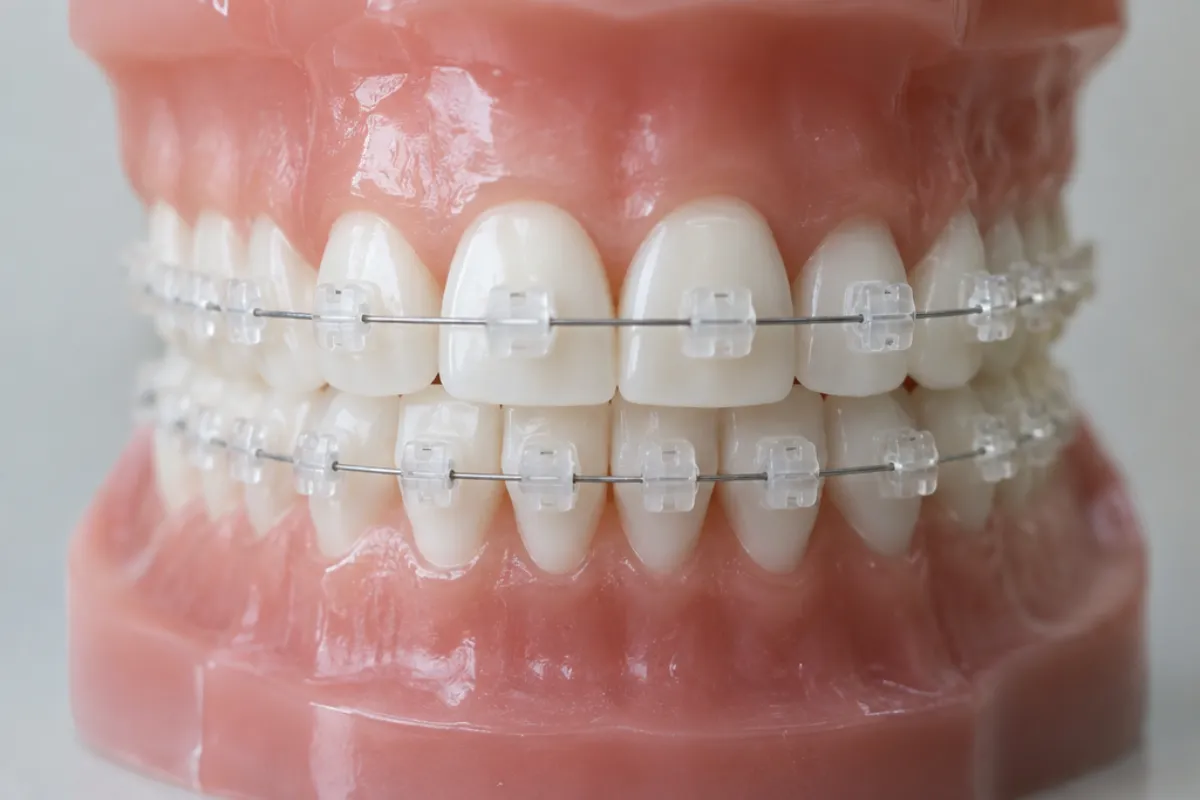
Yes, adult orthodontics is often possible even if you have crowns, bridges, implants, missing teeth, or a history of gum problems. The key is planning. An orthodontist checks the health of your gums and bone, notes which teeth have dental work, and coordinates with your dentist so tooth movement and any restorative work happen in the right order. About one in three orthodontic patients is an adult, according to the American Association of Orthodontists (AAO).
Summer is a common time for adults in Yuba City, Lincoln, and Sutter County to finally look into the smile they have been thinking about for years. If your mouth has some history, this guide explains how adult orthodontics works around existing dental work.
What an Orthodontist Checks First
Before moving any teeth, your orthodontist wants a clear picture of your oral health. An adult evaluation usually looks at:
- Gum health and the amount of bone supporting each tooth
- Crowns, bridges, veneers, and large fillings
- Implants and where they sit in the jaw
- Missing teeth and the spaces they leave
- How your bite and jaw joints function
X-rays or scans help show roots and bone levels that are not visible in a mirror. With that information, the orthodontist can tell you what is realistic and what steps come first.
Braces and Aligners With Crowns or Veneers
Teeth with crowns can usually be moved just like natural teeth, because the root underneath is still a natural root. Brackets bond differently to porcelain or metal than to enamel, so your orthodontist may use special bonding techniques. Clear aligner attachments can be placed on some restorations as well. In some cases, your dentist may recommend replacing an old crown after orthodontic treatment so it fits the new bite perfectly.
What About Dental Implants?
Implants are different. An implant is fused to the jawbone, so it does not move with braces or aligners. That does not rule out treatment. It means the plan is built around the implant, which can even serve as a stable anchor while other teeth move. If you are planning a future implant for a missing tooth, it is often best to finish orthodontic treatment first so the space is the right size and the neighboring teeth are in their final positions.
Orthodontic Treatment and Gum Health
Healthy gums are the foundation for moving teeth. The AAO explains that misaligned teeth can be harder to clean, which can add to plaque buildup, and that improving alignment can make daily hygiene easier. If you have had gum disease, your dentist or periodontist will usually want it under control before treatment begins. During treatment, regular cleanings and careful brushing around brackets or attachments help keep gums healthy.
How Long Adult Treatment Takes
Adult teeth are more firmly set in the jaw than a growing child’s, so the AAO notes that treatment can take longer for adults. The actual timeline depends on how complex the bite is and which appliance you choose. Your orthodontist can give you a realistic estimate once records are taken, and you can learn more on our adult braces page.
Coordinating With Your Dentist
For adults with dental work, the order of steps matters. A typical sequence might look like this:
- Your dentist treats any active decay or gum problems
- Your orthodontist moves teeth into better positions
- Your dentist places new crowns, bridges, or implant crowns if needed
- You wear retainers to hold the final result
Straightening teeth first can make restorative work simpler and more predictable for your dentist, because the spaces and angles are already where they need to be.
Choosing Between Braces and Clear Aligners as an Adult
Many adults prefer a discreet option, such as tooth-colored ceramic braces or clear aligners. Both can work well, but the best choice depends on your bite, your dental work, and how consistently you can wear removable aligners. The American Dental Association notes that adults of any age can pursue orthodontic care, so the decision is really about what fits your mouth and your routine.
Clear aligners cover the teeth, so your orthodontist will check how they fit over any crowns or bridges. Ceramic braces blend in with natural teeth and stay on full time, which some adults find easier than remembering to wear aligners 22 hours a day. Either way, you will have regular checkups so the orthodontist can watch your gums, restorations, and progress closely.
Common Reasons Adults Start Treatment
Adults come to orthodontics for many reasons. Some had braces as teens and noticed their teeth drifting after they stopped wearing retainers. Others never had treatment and want to fix crowding that makes flossing difficult. Some are referred by a dentist who needs teeth repositioned before placing a crown, bridge, or implant. Whatever the reason, an exam gives you clear options and a realistic sense of the time and investment involved.
Frequently Asked Questions
Often, yes. The implant itself will not move, but your orthodontist can plan treatment around it and move the other teeth as needed.
Orthodontists use bonding methods designed for crowns and other restorations. Ask about your specific dental work, since some older crowns may be replaced after treatment.
Many people can, once the gum condition is treated and stable. Your dentist or periodontist and orthodontist will work together to decide when it is safe to start.
Your Yuba City, CA Orthodontic Team
Dr. Michael Larson treats adult patients from Yuba City, Sutter County, and Lincoln and works with your dentist when you have existing dental work. Read our Yuba City Orthodontics Google reviews, then contact our office to schedule an adult consultation.